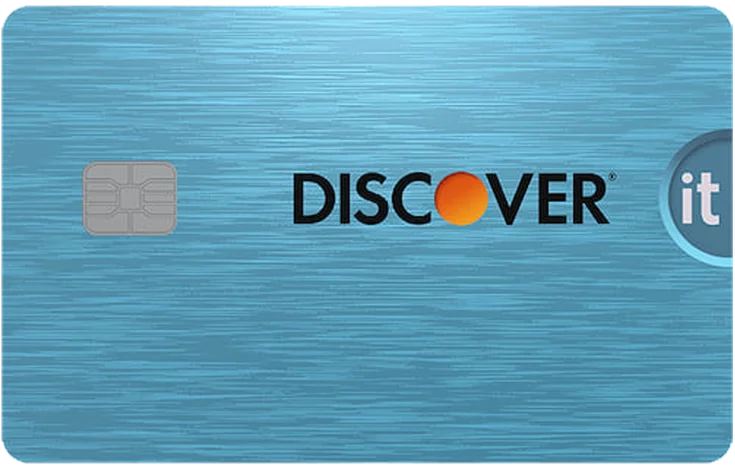
LIFETIME NO ANNUAL FEE
Enjoy the peace of mind of a card that charges zero dollars to keep the account open, without any hidden active requirements.
FIRST-YEAR CASHBACK MATCH
Discover automatically matches every single cent of cash back you earn at the end of your 12th billing cycle, with no maximum limit.
NO FOREIGN TRANSACTION FEES
Save on international travel with a 0% fee on purchases made outside the United States, making it an affordable global companion.
By clicking the button, you will be redirected to an external website.
Choosing a new credit card requires looking past flashy marketing and analyzing the hard financial data. While the American credit market is packed with premium options that demand high annual fees, the Discover Card series takes a completely different approach. Positioned as a user-friendly, high-reward alternative, it has become one of the most talked-after financial products in the United States.
However, before submitting an application that triggers a hard inquiry on your credit report, you must understand its true cost structure, what documents the underwriters require, and whether its unique ecosystem aligns with your spending habits. This guide breaks down the financial realities of the Discover Card to help you make an informed decision.
Does It Have an Annual Fee? (Understanding the True Costs)
The short answer is no. One of Discover’s strongest selling points is its lifetime “No Annual Fee” policy. Unlike competitor cards that wave the fee only for the first year or force you to maintain an active investment account, Discover charges zero dollars to keep the account open.
However, “no annual fee” does not mean a card is entirely free to use. To stay AdSense-compliant and financially responsible, consumers must look at the rest of the pricing schedule:
- Annual Percentage Rate (APR): Discover features a variable purchase APR, typically ranging from 18.24% to 28.24% based on your creditworthiness. If you pay your statement balance in full every month, you will never pay a dime in interest. However, carrying a balance can quickly become expensive.
- Foreign Transaction Fees: Unlike many basic cards that charge a 3% fee on purchases made outside the United States, Discover charges 0% on foreign transactions. This makes it an incredibly affordable backup card for international travel.
- Late Payment Relief: Discover is uniquely forgiving to beginners. It charges $0 for your very first late payment. Subsequent late payments, however, can incur a fee of up to $41. Crucially, Discover does not enforce a penalty APR, meaning a mistake will not permanently spike your interest rate.
Required Documentation and Approval Criteria
Discover is widely regarded as an accessible credit issuer, but they still maintain strict compliance with U.S. federal banking laws. To apply, you must meet the following baseline criteria:
The Essential Checklist
- Age Requirement: You must be at least 18 years old to apply (or 21 if you are a college student applying without independent income).
- Identification Numbers: You must provide a valid Social Security Number (SSN) or an Individual Taxpayer Identification Number (ITIN). Discover is notoriously friendly to international students and immigrants using an ITIN to build their first American credit history.
- Proof of Income: U.S. law requires credit issuers to evaluate your “ability to pay.” You can include personal wages, salaries, student grants, or even household income accessible to you if you are over 21.
Credit Score Targets
For the flagship Discover it® Cash Back or Discover it® Chrome, underwriters generally look for a Good to Excellent credit score (670 to 850). If your history is thin or damaged, Discover offers two powerful alternatives:
- Discover it® Student Cash Back: Requires no credit history but does require proof of university enrollment.
- Discover it® Secured: Requires a refundable security deposit (minimum $200), making it virtually guaranteed for those looking to rebuild their credit from scratch.
How to Apply Quickly and Safely
The fastest way to apply for a Discover card is online, bypassing third-party aggregators to protect your data. Follow this streamlined process:
- Use the Pre-Approval Tool: Before taking a “hard hit” on your credit score, visit the official Discover website and use their pre-approval page. This uses a soft credit pull to tell you your odds of approval without hurting your score.
- Fill the Secure Application: If pre-approved, move forward by entering your legal name, permanent U.S. address, financial data (annual income and housing costs), and your SSN/ITIN.
- Verify and Submit: Double-check your income reporting. Intentional inflation of income on a credit application constitutes bank fraud. Once submitted, Discover’s automated algorithm usually provides an approval or denial decision within 60 seconds.
Where is the Discover Card accepted inside and outside the United States?
How does the First-Year Cashback Match actually work?
Can I upgrade my Discover Secured card to a regular card later?
What happens if I forget to activate my 5% rotating categories?
Impartial Verdict: Is the Discover Card Worth It?
The Discover Card is arguably one of the most valuable “starter-to-intermediate” credit cards available in the United States.
Why It Is Worth It:
If you hate annual fees and want an institution that will not punish you harshly for an occasional mistake, Discover is an elite choice. The combination of no annual fee, no foreign transaction fees, and a matched 5% cash-back rate during the first year provides an unmatched return on investment (ROI) for daily consumers.
When to Look Elsewhere:
However, it is not a perfect financial tool. Frequent international business travelers will find the network gaps frustrating. Furthermore, if you prefer a massive, flat-rate sign-up bonus (e.g., “$200 after spending $500”) rather than waiting an entire year for a cashback match, competitor cards like the Chase Freedom Flex or Capital One SavorOne might serve you better.
Final Thought: For 90% of consumers, keeping a Discover Card in their wallet as a primary cash-back tool or a reliable no-fee backup is an exceptionally smart financial move.
By clicking the button, you will be redirected to an external website.